

Council Functions
An Arm of Local Government

Your Parish Council is the closest tier of local government to you. A parish council is a key local authority, acting as the closest level of government to the community. Parish councils take on responsibilities in three main areas: representing the local community, delivering essential services, and working to improve the quality of life for everyone in the parish. This can include anything from addressing concerns and gathering feedback to acting on local issues that are important to residents.
Parish councils deal with a wide range of matters, such as planning applications (where they are statutory consultees), crime prevention, supporting local groups, and managing community spaces like parks and playgrounds. They are often the first point of contact for residents when there are concerns or ideas, making them a vital part of local governance.
Our Parish Council has its own website here : 
That site enables you to catch up on how your Parish Council is serving you. Its pages include all the agendas and minutes of Parish Council Meetings.
What does a Parish Council Do?
Although parish councils have limited direct decision-making powers, they play a crucial role in negotiating with and influencing larger organisations, such as unitary councils, health authorities, and the police. Their ability to represent the community’s views ensures they are a key voice in local matters, and their input is given serious consideration by those who make the final decisions.
Parish councils have a wide range of responsibilities related to local services, including the management of community buildings, open spaces, allotments, street lighting, bus shelters and cemeteries. They also have the authority to raise funds through the precept, which is their portion of the council tax. This precept is collected by the unitary council and helps fund the council’s services and projects aimed at improving the community.
The Chairman
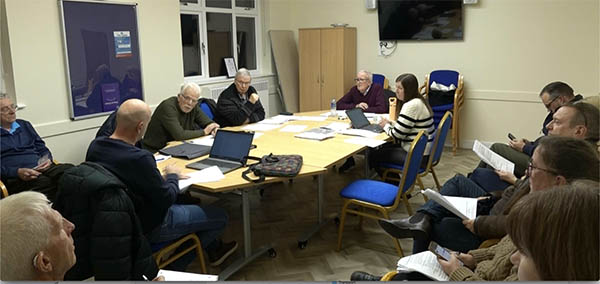
The Parish Chairman plays a vital role in leading the council and representing it at formal meetings and community events. They ensure that meetings run smoothly and inclusively, adhering to the agenda while giving all councillors the opportunity to contribute. Their leadership helps build trust between the council and the public, fostering collaboration and transparency. The Chairman’s ability to navigate discussions and resolve conflicts is essential for effective governance.
The Councillors
A Parish Councillor’s primary responsibility is to make decisions that represent the interests of all residents within the parish, not just their own opinions. Councillors must remain impartial and ensure that their choices reflect the community’s diverse perspectives. To do this effectively, they are expected to stay well-informed about local issues and actively listen to the views and needs of various groups in the parish. This approach helps ensure that decisions are fair and considerate of everyone in the community.
The Parish Clerk
The Parish Clerk is the Proper Officer of the council, tasked with carrying out legal responsibilities and ensuring that the council’s decisions are implemented. The clerk is also the Responsible Financial Officer, accountable for managing financial records and overseeing the council’s budget. A key role is to provide advice to the council and help in forming policies that guide the council’s activities. They ensure that councillors have all the necessary information to make informed decisions and implement these decisions effectively.
Why Become a Parish Councillor?
Becoming a parish councillor offers a fantastic opportunity to positively influence your community. While you might picture councillors as older individuals meeting occasionally in a chilly village hall, they play a crucial role when significant events arise. Residents often turn to their parish council for support and guidance, and by stepping into this role, you become a trusted leader with the power to shape decisions that benefit everyone.
As a parish councillor, you’ll experience the rewarding satisfaction of seeing your community change for the better through your contributions. Council meetings typically occur once a month for two to three hours, making it manageable alongside other commitments. While you may attend additional meetings related to specific projects or events, these won’t overwhelm your schedule. Elected for a maximum of four years, you can choose to stand for re-election if you wish to continue serving. If you’re passionate about your local area and want to be a voice for its residents, becoming a parish councillor could be the perfect fit for you!
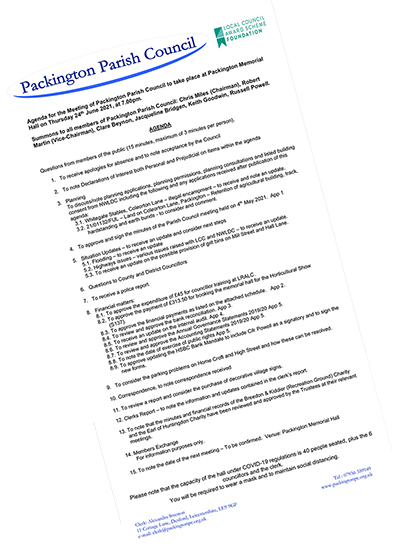
As well : Charity Trustees
Parish Councillors also act as trustees for two charities registered with the Charity Commission. These derive from ancient bequests:
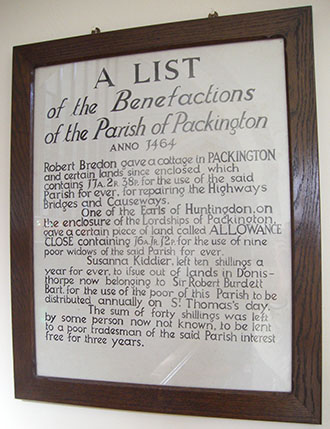
Charity Trustees – Earl of Huntingdon Charity
click or tap to read the Charity Commission website: Huntingdon Charity
Charity Trustees – Recreation Ground Charity
click or tap to read the Charity Commission website: Recreation Ground Charity formerly the Robert BREEDON Charity
Grant Administration – Community Benefit Fund
The Parish Council also administers a Community Benefit Fund which receives income from 2 solar farms in the Parish – the Park Farm Solar Farm and the Ashby Solar Farm.
Grants are available to groups in the Parish, and guidance notes and an application form can be found on the link below: